Browse by category
Categories in a haul, judged by the box
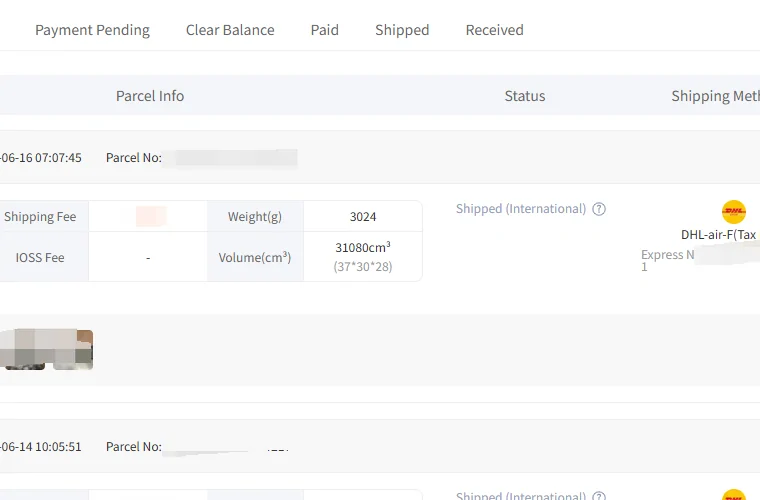
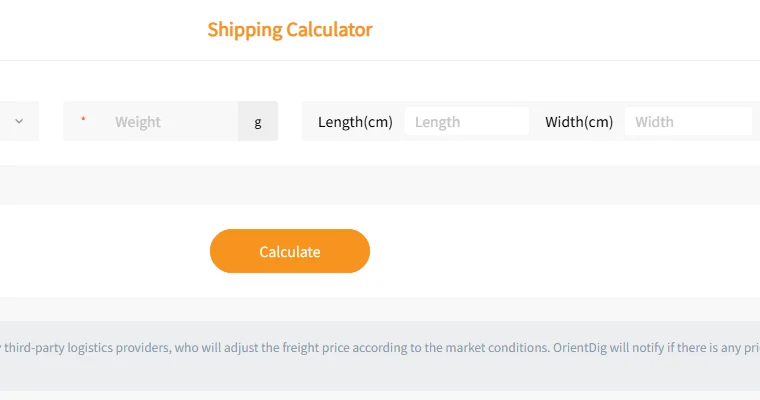
Most category pages on the internet tell you what is worth buying. This one assumes you have already decided that, and asks a different question: what does this thing do to a shared parcel? A pair of boxed sneakers and twelve pairs of socks can weigh the same and cost completely different amounts to ship, because freight is charged on whichever is larger, the weight or the space.
Every category name below is a link straight into that category. The three bars under each icon are our own note on how much room the category tends to take in a combined box: one bar is easy, three means think about it before you tick it.
The categories most hauls are built from
Six to start with. The full list, with what to watch for in each, is in the table below.
Sneakers
Bulk first, weight second. Decide about the shoe boxes before you submit, not after.
Open this categoryCategoryHoodies
Light and full of air. The classic candidate for compression.
Open this categoryCategoryBags
Structured ones travel with their own air. Soft ones flatten.
Open this categoryCategoryWatches
Dense and tiny. Almost always worth adding to a parcel already leaving.
Open this categoryCategoryJeans
Heavy for the space. Two pairs move the total noticeably.
Open this categoryCategoryPerfume
Liquid, so route restrictions matter more than weight.
Open this categoryEvery category, and what it does to a combined parcel
Twenty categories, with the behaviour we see repeatedly and the thing worth checking before it joins a box. Each category name is a link.
| Category | How it behaves in a box | What to watch |
|---|---|---|
| Sneakers | The single bulkiest thing most hauls contain once the shoe box travels too. | Two boxed pairs can fill a parcel on volume before the weight looks high. |
| Shoes | Same problem as sneakers, slightly less air in dress styles. | Ask yourself whether the box is part of what you bought. |
| Sandals | Light and flat. Among the easiest things to add to a box. | Straps get crushed if they travel loose under something heavy. |
| Hoodies | Light for their size, and full of air until they are compressed. | The obvious candidate for a vacuum add-on when a parcel is close to a step. |
| T-shirts | Almost free to add. They fill gaps rather than creating them. | Nothing much. This is the filler that uses a step you already paid for. |
| Jackets | Heavier than they look, especially with hardware and lining. | One jacket can push a parcel over a weight step on its own. |
| Down jackets | The volume champion. Loft is the entire point of the garment. | Compression saves real money here, but it is a choice you make once. |
| Jeans | Dense and heavy for the space they take. | Two pairs move the weight noticeably. Plan them before adding filler. |
| Bags | Structured bags keep their shape and carry air with them. | Stuffing them with soft items is the standard trick, and it changes nothing about the declared contents. |
| Backpacks | Bulky, but they swallow other items well. | A backpack full of socks is one item by volume and several by value. |
| Watches | Small, dense, and nearly always worth adding to a parcel already going out. | Batteries and boxes can attract questions on some routes. |
| Jewellery | Negligible weight and volume. | Value rather than size is what draws attention here. |
| Wallets | Flat and light. Ideal gap filler. | Nothing specific. |
| Belts | Awkward shape, low weight. They coil around other items. | Buckles can mark softer goods if nothing separates them. |
| Eyewear | Light, but the hard case is what takes the room. | Without the case, breakage risk rises and claims on fragile goods cover loss rather than breakage. |
| Perfume | Heavy for its size, and restricted on many routes. | Liquids are the usual reason a route refuses a parcel. Check before you combine. |
| Electronics | Dense, and often boxed with accessories you cannot remove. | Inspection is appearance only, with no power on test, so the working state is settled with the seller. |
| Headphones | Small unless the case is rigid. | Battery rules vary by route more than by agent. |
| Hats | Crushable and full of air. | A cap that arrives folded is nobody's fault but the packing plan. |
| Accessories | The catch all. Mostly light, mostly easy. | Good for topping up a weight step you have already bought. |
Behaviour notes are our own, based on how freight is charged on the larger of weight and volume and on the route restrictions the operator surfaces at submission. They are guidance, not measurements of specific products.
How to choose what goes in this box and what waits
The useful question is not what you want most. It is which items share a destination, a deadline and a risk level. A parcel is a single object at the border: one declared value, one weight, one set of contents.
Three rules that survive most cases. First, dense small items ride along almost free once a box is going, so add them. Second, anything liquid, powered or branded heavily can restrict the whole parcel, so it is worth checking before you tick it rather than after. Third, if one item has a deadline, it travels alone, because the haul moves at the speed of its slowest arrival.

Category traps that cost money later
These are the ones we see go wrong most often, and all of them are decided before the parcel is submitted.
Buying five because the seller insists
Wholesale listings often carry a minimum order quantity, which the official guidance states plainly. Five identical items is also one of the patterns the operator names as making a parcel look commercial.
Assuming the box is included in the deal
The submit screen has a switch to remove outer packaging. If the box matters to you, leave it on and budget for the volume.
Mixing liquids into a big haul
A restricted item does not just get refused on its own. It can force the whole parcel onto a different route or out of the box entirely.
Topping up a weight step you already bought
Weight is charged in steps. If you are 80 g into a new step, a pair of socks costs nothing extra to send.
How to judge a seller before the link leaves your hands
Everything you can learn about a seller is on their own page, in the language the page is written in, before the agent is involved at all. The seller rating, the number sold, the dispatch promise and the return window are all printed there, and a browser translation is enough to read them.
Four signals do most of the vetting. A high number sold with recent reviews beats a high rating with none. A dispatch promise in hours is a commitment the marketplace enforces; a vague one is not. A stated return window tells you whether a wrong size is recoverable domestically, which is far cheaper than discovering it after the parcel ships. And photographs from buyers, where they exist, show the thing in a room rather than in a studio.
For a haul this matters twice over. A slow seller holds up every other item in the box while their storage counters run, so a reliable seller is worth more than a cheap one the moment you intend to combine.